



Frozen shoulder, also called adhesive capsulitis, can make everyday shoulder movement painful, stiff, and frustrating. Reaching overhead, putting on a jacket, washing hair, reaching behind the back, or sleeping comfortably may become difficult as shoulder motion becomes restricted.
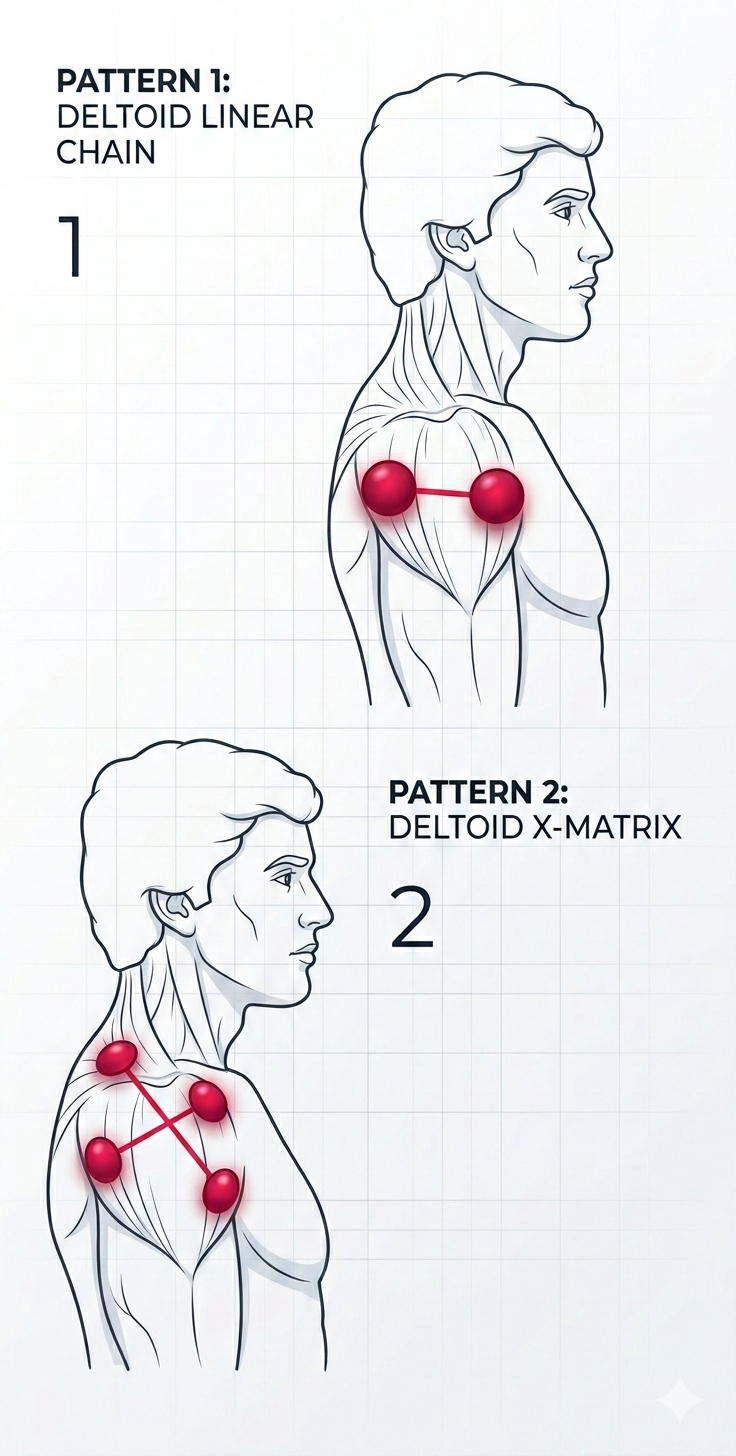
This Balego protocol explains how TENS, or transcutaneous electrical nerve stimulation, may be used as a conservative pain-modulation tool before or after clinician-directed range-of-motion exercise. The goal is not to “unstick” the shoulder by itself. Instead, TENS may help reduce pain sensitivity enough to make gentle stretching, mobility work, and prescribed rehabilitation exercises more tolerable.
For a compatible device, see the Balego TENS Digital Edition Unit. For replacement pads, compare Balego TENS/NMES/FES electrodes and the full electrotherapy electrode collection.
Clinical note: This is a suggested protocol for education and product support. Use TENS only according to your device instructions and under the guidance of a qualified clinician when treating frozen shoulder, post-operative shoulder pain, significant mobility loss, or any diagnosed medical condition.
What Is Frozen Shoulder?
Frozen shoulder, or adhesive capsulitis, is a shoulder condition associated with pain, stiffness, and progressive loss of active and passive range of motion. The shoulder may feel “stuck,” especially with rotation, reaching overhead, or reaching behind the back.
TENS does not replace physical therapy, stretching, manual therapy, medical evaluation, or a shoulder rehabilitation plan. It is best understood as a symptom-management tool that may be used alongside appropriate mobility and rehab work.
Main Goal of This TENS Protocol
The main goal of this protocol is pain reduction.
| Goal | How TENS May Help |
|---|---|
| Reduce pain sensitivity | TENS may provide comfortable sensory stimulation that helps modulate pain perception |
| Improve tolerance before ROM work | A short pre-exercise session may make gentle movement easier to begin |
| Support conservative care | TENS may be used as part of a broader plan that includes stretching, mobility, and activity modification |
| Support home programs | Some users may apply TENS before or after prescribed shoulder exercises |
| Avoid over-forcing the shoulder | TENS should not be used to push aggressively into sharp pain |
When This Protocol May Be Used
This suggested protocol may be considered in two common situations:
| Situation | How TENS Fits |
|---|---|
| Conservative frozen shoulder care | Used before or after gentle range-of-motion exercises to help manage pain |
| Clinic-based mobilization | Used before clinician-directed shoulder mobility work when pain limits participation |
| Home exercise support | Used around prescribed home ROM exercises when approved by a clinician |
| Post-operative support | Only after incision healing and only when cleared by the surgeon or treating clinician |
| Pain-dominant phase | May be useful when pain is limiting comfortable motion |
| Stiffness-dominant phase | May support comfort, but mobility work remains central |
Do not apply TENS directly over an unhealed incision, broken skin, irritated skin, areas of poor sensation, or areas where electrode placement is not allowed by your device manual or clinician.
Suggested TENS Settings for Frozen Shoulder
Use the settings recommended by your clinician and the device manual. The table below summarizes a conservative Balego-style starting point for shoulder pain modulation.
| Setting | Suggested Starting Point | Notes |
|---|---|---|
| Mode | Continuous / C mode | A steady sensory setting is often easier to tolerate for longer sessions |
| Rate | 125 Hz | Common high-rate sensory TENS-style setting |
| Pulse width | 170 µs, or lower if needed | A lower width may help avoid unwanted muscle twitching |
| Amplitude / intensity | Moderate, strong but comfortable | Increase gradually; avoid painful, sharp, or startling stimulation |
| Session length | 20–30 minutes before ROM, or longer comfort cycles if directed | Follow device instructions and clinician guidance |
| Treatment rhythm | 1–2 hours on, then 30 minutes off as needed and appropriate | Longer use should remain comfortable and skin should be checked |
| Pre-exercise option | 20–30 minutes before stretching or mobilization | May help users tolerate gentle ROM work |
Electrode Placement Options for Frozen Shoulder
Use 2 or 4 electrodes, depending on your device, patient tolerance, and clinician preference. Round or oval electrodes are often easier to fit around the shoulder.
Option 1: Two-Electrode Shoulder Placement
Place one electrode on the front of the shoulder and one electrode on the back of the shoulder, generally positioned near the painful shoulder region and just above the axillary crease.
| Electrode | Placement Area |
|---|---|
| Pad 1 | Anterior shoulder, near the front of the glenohumeral joint |
| Pad 2 | Posterior shoulder, near the back of the glenohumeral joint |
| Channel | Channel 1 |
| Best for | Simple setup, smaller shoulder area, home use, first-time users |
Option 2: Four-Electrode Criss-Cross Placement
A four-electrode setup can surround the painful shoulder region using two channels. Place the pads in a criss-cross pattern around the shoulder joint so stimulation covers the painful area more broadly.
| Channel | Placement Concept |
|---|---|
| Channel 1 | One pad anterior/superior and one pad posterior/inferior |
| Channel 2 | One pad posterior/superior and one pad anterior/inferior |
| Pattern | Criss-cross around the shoulder joint |
| Best for | Broader shoulder coverage, clinic use, users who tolerate four pads comfortably |
Do not place electrodes across the chest, over the front of the neck, over the carotid sinus, over broken skin, or in any placement pattern prohibited by your device instructions.
Two Pads vs. Four Pads: Which Setup Is Better?
| Setup | Best For | Advantage | Limitation |
|---|---|---|---|
| Two electrodes | Simple home setup, smaller treatment area, new users | Easier to place and monitor | Less coverage around the shoulder |
| Four electrodes | Broader shoulder pain area, clinic-guided use | More complete coverage around the joint | Requires two channels and more careful placement |
| Round or oval pads | Curved shoulder surfaces | Easier to fit around the shoulder | Smaller pads may feel more intense at the same output |
| Rectangle pads | Larger muscle or broad regional coverage | Broader contact area | May be harder to fit around bony shoulder contours |
For a small, curved joint area like the shoulder, compare Balego 2-inch Round Electrodes and Balego 2.75-inch Round Electrodes. For broader coverage, compare Balego 2" x 3.5" rectangular electrodes.
How Strong Should TENS Feel?
For most frozen shoulder pain-modulation sessions, TENS should feel strong but comfortable. The sensation may feel like tingling, buzzing, tapping, or pulsing. It should not feel sharp, burning, shocking, or intolerable.
| Sensation | What It Means |
|---|---|
| Mild tingling | Usually safe but may be too low to be useful |
| Strong comfortable tingling | Typical target for sensory TENS pain modulation |
| Visible twitching | May be acceptable only if clinician-directed; reduce width or intensity if not desired |
| Sharp, burning, or painful | Stop and adjust placement, pads, intensity, or device settings |
| Skin irritation after use | Stop using that area and inspect pads/skin before continuing |
The original protocol allows an optional more intense pre-exercise session, but this should be used carefully. Muscle fasciculation or twitching may cause soreness in some users, so limit this approach to clinician-directed use and avoid overdoing it.
Suggested Treatment Timing
| Treatment Timing | Suggested Use |
|---|---|
| Before ROM exercises | 20–30 minutes to help reduce pain sensitivity before gentle stretching |
| After ROM exercises | Used for comfort if the shoulder feels irritated after exercise |
| Longer comfort cycles | 1–2 hours on, then 30 minutes off, only if comfortable and appropriate |
| Once or twice daily intense pre-exercise sessions | Only when clinician-directed because soreness may occur |
| During exercise | Usually not needed unless specifically directed by a clinician |
TENS should support movement, not replace it. For frozen shoulder, pain control is most useful when it helps the person participate in safe, gradual mobility work.
TENS + Shoulder Range of Motion: How They Work Together
| Step | Example |
|---|---|
| 1. Apply TENS | Use comfortable sensory stimulation around the shoulder |
| 2. Reduce pain sensitivity | Let the shoulder calm down before exercise |
| 3. Begin gentle ROM | Use pendulums, table slides, wand exercises, or pulley work if prescribed |
| 4. Avoid aggressive stretching | Do not force into sharp pain |
| 5. Reassess symptoms | Stop or reduce intensity if soreness increases |
A shoulder pulley may be a helpful companion tool when a clinician recommends active-assisted range-of-motion work. Compare our Overhead Pulley System for guided shoulder mobility exercises.
TENS vs. Shoulder Pulley vs. Resistance Tubing
| Tool | Primary Purpose | Best Stage |
|---|---|---|
| Balego TENS Digital Edition Unit | Pain modulation through sensory nerve stimulation | Pain-limited phase or before/after ROM |
| Balego TENS/NMES/FES Electrodes | Replacement electrode pads for compatible TENS/NMES/FES devices | Needed whenever pads lose adhesion or comfort |
| Overhead Pulley System | Active-assisted shoulder range of motion | Mobility and stiffness-focused rehab |
| Resistance Tubing with Handles | Strengthening, rows, rotations, posture work | Later phase after motion improves |
| ORTHOGEL™ Advanced Pain Relief Gel | Topical temporary relief of minor muscle and joint aches | General comfort support; do not combine with heat or electrode use unless label/device guidance allows it. |
TENS vs. NMES for Frozen Shoulder
TENS and NMES are both forms of electrotherapy, but they are not the same. For a full explanation, read Balego TENS vs NMES: Key Differences, Uses, Benefits & Safety.
| Modality | Main Goal | Typical Feeling | Frozen Shoulder Role |
|---|---|---|---|
| TENS | Pain modulation | Tingling, buzzing, tapping | Better fit when the primary issue is pain limiting movement |
| NMES / EMS | Muscle activation and contraction | Strong pulling contraction | May be used for weakness or activation deficits, but not the usual first choice for pain-dominant frozen shoulder |
| IFC | Broader electrotherapy pain-modulation option | Deeper crossing-current sensation | May be used in clinic or with combo devices when appropriate |
| Manual therapy + exercise | Restore motion, function, and tolerance | Clinician-guided movement and stretching | Central part of many adhesive capsulitis programs |
Recommended Products for This Protocol
| Product | Why It Fits |
|---|---|
| Balego TENS Digital Edition Unit | Dual-channel TENS device with multiple modes and adjustable treatment settings |
| Balego TENS/NMES/FES Electrodes | Made-in-USA reusable hydrogel pads available in multiple sizes |
| Balego 2-inch Round Electrodes | Useful shape for curved shoulder placement |
| Balego 2.75-inch Round Electrodes | Larger round option for shoulder coverage |
| Balego 2" x 3.5" Rectangle Electrodes | Larger pad option when broader coverage is preferred |
| Overhead Pulley System | Supports active-assisted shoulder range-of-motion exercises |
| Resistance Tubing with Handles | Useful later for strengthening and posture work when cleared |
| ORTHOGEL™ Advanced Pain Relief Gel | Topical comfort option for minor muscle and joint aches; use separately from electrodes |
Safety Notes Before Using TENS on the Shoulder
Use TENS only as directed by the device manual and your clinician. Stop and ask a qualified professional if symptoms worsen or if you are unsure whether TENS is appropriate.
| Do Not Use TENS… | Reason |
|---|---|
| Across the chest | Avoid current paths through the chest |
| On the front of the neck or carotid sinus | High-risk placement area |
| Over broken, irritated, infected, or numb skin | Skin injury or poor sensation increases risk |
| Over an unhealed incision | Wait until cleared by a clinician |
| While driving or operating machinery | Stimulation may distract or cause involuntary reactions. |
| With a pacemaker, implanted defibrillator, or implanted electronic device unless medically cleared | Electrical stimulation may interfere with implanted devices |
| During pregnancy unless cleared by a clinician | Follow medical and device guidance |
| With heat, topical analgesics, or tight wraps over electrodes unless specifically allowed | May increase skin irritation or unsafe current concentration |
Troubleshooting: Why TENS May Not Feel Right
| Problem | Possible Cause | What to Try |
|---|---|---|
| Stinging or burning | Dry pads, poor adhesion, too much intensity, pad edge lifting | Replace pads, lower intensity, clean skin, reposition pads |
| Muscle twitching when not desired | Pulse width or intensity too high | Lower pulse width or amplitude |
| Weak sensation | Pads not adhering, lead wire issue, low battery, intensity too low | Check pads, wires, battery, and settings |
| One pad feels stronger | Uneven contact or poor pad condition | Replace or reposition electrodes |
| Skin redness | Adhesive irritation or excessive wear time | Stop use, inspect skin, shorten sessions |
| Pain increases after use | Intensity too high or treatment too long | Reduce intensity, shorten duration, ask clinician |
Frequently Asked Questions
Can TENS help frozen shoulder?
TENS may help manage pain associated with frozen shoulder, especially before or after gentle range-of-motion exercises. It should be viewed as a pain-modulation support tool, not a cure for adhesive capsulitis.
Where do you put TENS pads for frozen shoulder?
A simple two-pad setup places one electrode on the front of the shoulder and one on the back of the shoulder. A four-pad setup may use a criss-cross pattern around the shoulder joint for broader coverage. Always avoid the front of the neck, chest-crossing placements, broken skin, and any placement prohibited by your device manual.
What TENS settings are suggested for frozen shoulder?
A conservative starting point is continuous mode, a rate of 125 Hz, a pulse width around 170 µs or lower if twitching occurs, and a moderate, comfortable intensity. Settings should be adjusted based on comfort, device instructions, and clinician guidance.
Should TENS cause muscle twitching?
For standard pain-modulation TENS, visible twitching is usually not necessary. If twitching occurs and is uncomfortable, reduce the pulse width or intensity. A more intense pre-exercise approach should only be used when directed by a clinician.
How long should I use TENS before shoulder exercises?
A 20–30 minute session before gentle shoulder ROM exercises may help reduce pain sensitivity and improve exercise tolerance. Do not use TENS to force painful stretching.
Can I use TENS after shoulder surgery?
Only if your surgeon or clinician clears you to use TENS. Do not place electrodes over an unhealed incision or irritated skin.
What electrodes are best for shoulder TENS?
Round or oval electrodes often fit the shoulder well because the surface is curved. Balego offers 2-inch round, 2.75-inch round, and multi-size TENS/NMES/FES electrodes.
Is TENS better than a shoulder pulley?
They do different things. TENS is used for pain modulation. A shoulder pulley is used for guided range-of-motion exercise. Many frozen shoulder programs focus on restoring motion, so TENS may be used before or after pulley or ROM work when appropriate.
Can I use ORTHOGEL™ with TENS electrodes?
Do not apply gel, lotion, topical analgesic, or oil under TENS electrodes. Topical products can interfere with pad adhesion and may increase skin irritation. Use topical analgesics separately and only according to label directions.
When should I see a clinician?
Seek professional evaluation if shoulder pain is severe, worsening, linked to trauma, associated with weakness or numbness, accompanied by chest pain or shortness of breath, or if shoulder motion continues to decline despite conservative care.
TENS for frozen shoulder, TENS for adhesive capsulitis, frozen shoulder TENS pad placement, adhesive capsulitis TENS settings, shoulder TENS electrode placement, TENS before shoulder ROM exercises, TENS unit for shoulder pain, TENS pads for shoulder, TENS protocol for frozen shoulder, TENS for shoulder stiffness


